
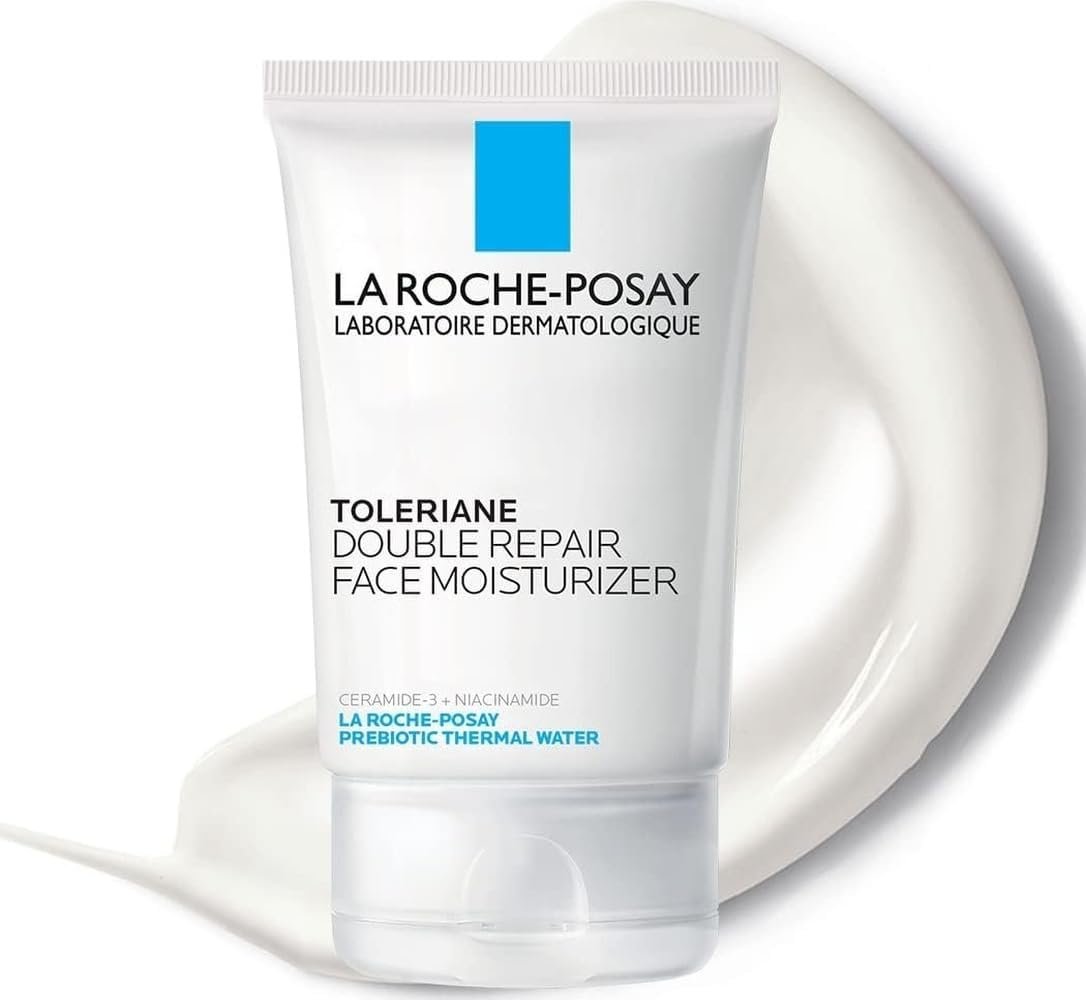
Finding the right moisturizer for sensitive skin can feel impossible. I used to think my skin was just “sensitive” by nature — every cleanser burned, every moisturizer stung, and my face turned red at the slightest provocation: wind, a new product, even a hot shower. I wasted money on dozens of products, each one promising to calm my skin, and each one making things worse. What I didn’t know was that my skin wasn’t just sensitive. It was broken — specifically, the protective barrier that keeps your skin healthy and comfortable had been damaged, and nothing I was doing was helping it rebuild.
That changed when I learned what the skin barrier actually is, why it breaks down, and what ingredients genuinely repair it. The answer wasn’t a complicated ten-step routine or an expensive luxury cream. It was a simple, focused moisturizer for sensitive skin with the right ingredients — and it made more difference in two weeks than everything else I’d tried in two years.
This guide explains exactly what’s happening to your skin when it feels tight, irritated, or reactive, and it introduces a ceramide-based moisturizer for sensitive skin that dermatologists consistently recommend for restoring that barrier. Whether your skin is naturally sensitive or you’ve damaged it through over-washing, harsh products, or environmental stress, the fix is simpler than you think.
Your skin barrier, also called the stratum corneum, is the outermost layer of your skin. Think of it like a brick wall: the skin cells are the bricks, and the lipids — natural fats — between them are the mortar. When that wall is intact, it keeps moisture in and irritants out. When it’s damaged, the mortar cracks, moisture escapes, and everything from pollution to your own skincare products can get in and cause irritation, redness, and discomfort.
A healthy barrier does three essential things: it locks in hydration so your skin stays plump and comfortable, it blocks out environmental aggressors like bacteria and pollution, and it maintains the right balance so your skin doesn’t overreact to things it should be able to handle. When any of these functions break down, you feel it immediately — tightness after cleansing, stinging when you apply products, dry patches that no amount of moisturizer seems to fix, or redness that appears out of nowhere.
The barrier is also where your skin’s natural microbiome lives — the community of beneficial bacteria that helps protect you from infection and inflammation. When the barrier is compromised, this microbiome gets disrupted too, which creates a cycle: damage leads to more damage, and your skin becomes progressively more reactive over time. And that’s exactly why choosing the right moisturizer for sensitive skin matters so much — it’s not just about comfort, it’s about letting your skin heal itself.
What Damages Your Skin Barrier?
The good news is that barrier damage is almost always reversible. The bad news is that many common skincare habits cause it without you realizing it. Here are the most common culprits:
Over-cleansing. Washing your face too often, with harsh cleansers, strips away the natural oils your barrier needs to stay intact. If your face feels tight or “squeaky clean” after washing, your cleanser is too harsh — and every time you use it, you’re weakening your barrier a little more.
Over-exfoliating. Chemical exfoliants like AHAs and BHAs are powerful tools, but using them too often or at too high a concentration breaks down the mortar between your skin cells. Redness, sensitivity, and a raw, burning feeling are all signs you’ve exfoliated too much.
Skipping moisturizer. Even if your skin feels oily, skipping moisturizer deprives your barrier of the lipids it needs to repair itself. This is especially damaging in winter, when cold air and indoor heating pull moisture from your skin constantly.
Harsh ingredients. Alcohol, fragrance, and certain preservatives can irritate and break down the barrier over time, especially in products that stay on your skin for hours. This is why choosing a gentle moisturizer for sensitive skin matters so much — you need something that repairs rather than irritates.
Environmental stress. UV exposure, pollution, and extreme weather all put stress on your barrier. Without protection and repair, these daily aggressors gradually weaken it.
The result of all this damage is skin that overreacts to everything — products, weather, even touch. And the fix isn’t to add more products. It’s to repair the barrier itself, starting with the right moisturizer for sensitive skin that gives your skin what it actually needs.
The Three Ingredients Your Barrier Actually Needs
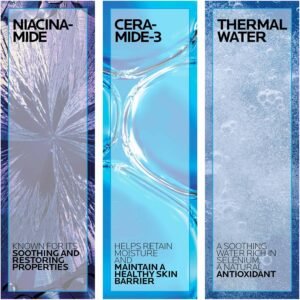
Not all moisturizers are created equal, and slapping any cream on damaged skin won’t fix the problem. Your barrier needs specific building blocks to repair itself, and three ingredients stand out above everything else:
Ceramides
Ceramides are the mortar in your skin’s brick wall — they make up about 50% of the lipids in your barrier. When your barrier is damaged, you’ve literally lost ceramides. Replenishing them is the single most effective way to rebuild your barrier, and it’s why dermatologists recommend ceramide-rich moisturizers for sensitive skin above almost everything else for damaged or reactive skin.
Ceramide-3, specifically, is one of the most studied and effective ceramides for restoring barrier function. It doesn’t just sit on top of your skin — it integrates into the lipid structure, helping your barrier rebuild from within.
Niacinamide
Niacinamide, also known as vitamin B3, is one of the most versatile skincare ingredients in existence. For barrier repair, it does two critical things: it stimulates your skin to produce more ceramides naturally, and it reduces inflammation that slows the healing process. The result is calmer, stronger, more resilient skin — and it works at almost any concentration.
Glycerin
Glycerin is a humectant, meaning it draws water into your skin and holds it there. While ceramides rebuild the structure and niacinamide calms the inflammation, glycerin provides the hydration your skin needs to heal. Without adequate moisture, even a rebuilt barrier can’t function properly — so glycerin completes the repair process.
When these three ingredients work together — ceramides to rebuild, niacinamide to calm and stimulate, glycerin to hydrate — you have a formula that genuinely repairs damaged skin rather than just temporarily masking the symptoms.
Why This Moisturizer for Sensitive Skin Works So Well
There are plenty of ceramide moisturizers on the market, but one keeps appearing in dermatologist recommendations, clinical studies, and on the skin of people whose barriers are genuinely damaged: La Roche-Posay Toleriane Double Repair Face Moisturizer. And there are specific reasons why it’s considered one of the best moisturizers for sensitive skin available today.
This moisturizer combines all three of those essential barrier-repair ingredients — Ceramide-3, niacinamide, and glycerin — in a single, focused formula. But what makes it particularly effective is the addition of La Roche-Posay’s prebiotic thermal water, which helps balance the skin’s microbiome while the ceramides and niacinamide repair the structure. It’s a dual-action approach: rebuild the wall and rebalance the ecosystem at the same time.
The formula is also oil-free, fragrance-free, and non-comedogenic, which means it won’t clog your pores or add irritants to already-sensitized skin. It’s been allergy-tested and is safe for even the most sensitive skin types — including skin that reacts to almost everything else.
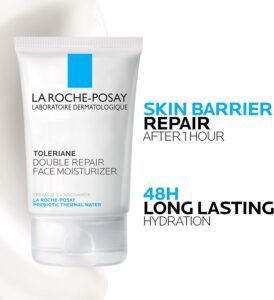
What impresses me most is the clinical data: this moisturizer for sensitive skin restores the skin’s barrier in just one hour and provides 48 hours of hydration from a single application. For someone with a damaged barrier who’s used to products that sting or do nothing, that kind of targeted, measurable repair is exactly what you need.
Check the current price on Amazon — it’s competitively priced for a dermatologist-recommended moisturizer for sensitive skin, and a little goes a long way.
How to Use It for Maximum Barrier Repair
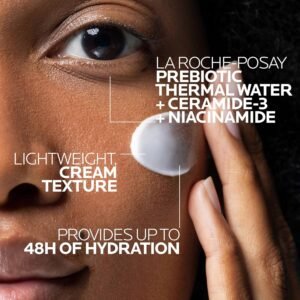
The best way to use a ceramide moisturizer for sensitive skin is consistently and correctly. Here’s the simple method:
Step 1: Cleanse gently. Use a mild, non-stripping cleanser — something cream-based or hydrating, not foaming or clarifying. If your barrier is already damaged, the last thing you want is a cleanser that takes away more of the lipids you’re trying to rebuild. If you need guidance on building a full routine from scratch, our simple skincare routine for beginners walks through every step.
Step 2: Apply to damp skin. After cleansing, pat your face slightly damp — don’t dry it completely. Applying your moisturizer for sensitive skin to damp skin locks in extra hydration, which gives the glycerin in the formula more water to work with. This small step makes a noticeable difference.
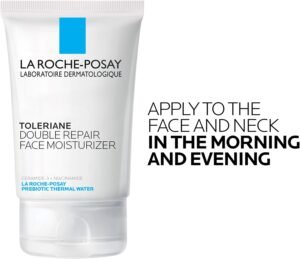
Step 3: Use morning and evening. Consistency is everything with barrier repair. Apply the moisturizer to your face and neck every morning and every evening. In the morning, follow with sunscreen. At night, it can be your final step after any treatments or serums.
Step 4: Be patient. Barrier repair isn’t instant — while this formula starts working within an hour, visible improvement in sensitivity, redness, and comfort usually takes one to two weeks of consistent use. Give it time. Your barrier didn’t break overnight, and while it can be rebuilt faster than it was damaged, it still needs consistency.
The texture is lightweight and absorbs quickly, so it layers well under sunscreen and makeup without pilling or feeling heavy. It’s a genuinely comfortable moisturizer for sensitive skin to wear daily, which is part of why people stick with it.
What Happens When Your Barrier Heals
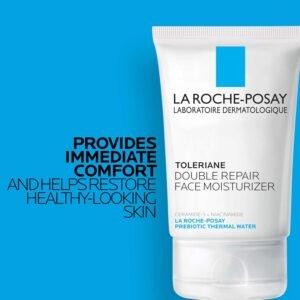
Once your skin barrier starts repairing itself, the changes are noticeable and often dramatic. Here’s what you can expect:
Redness decreases. Chronic redness from irritation, not from rosacea or other conditions, often fades within the first week as inflammation subsides.
Sensitivity drops. Products that used to sting or burn stop bothering you. Your skin starts handling things it couldn’t tolerate before — not because you’ve built up a tolerance, but because the barrier is doing its job again.
Hydration improves. Instead of feeling tight and dry an hour after moisturizing, your skin stays comfortable all day. The moisture lock is restored, so water stays in your skin instead of evaporating.
Texture smooths. Rough, bumpy patches that felt like sandpaper start to soften as dead skin cells are shed normally and fresh cells are protected underneath.
Everything else works better. When your barrier is healthy, every other product in your routine works more effectively. Serums absorb better, treatments penetrate properly, and even sunscreen sits more comfortably. A healthy barrier is the foundation of every good skincare routine — and finding the right moisturizer for sensitive skin is the first step toward building it.
The Barrier Repair Mistakes to Avoid
Even with the right moisturizer for sensitive skin, these habits can slow your recovery:
Switching products too often. When your barrier is damaged, the worst thing you can do is constantly try new products looking for a quick fix. Each new product is a new potential irritant. Pick one good moisturizer and stick with it for at least four weeks.
Using active ingredients too early. Retinoids, vitamin C, AHAs, BHAs — all great ingredients, but not while your barrier is compromised. Wait until your skin is fully healed before reintroducing them, and introduce them slowly one at a time.
Skipping sunscreen. Damaged skin is more vulnerable to UV damage, and UV damage further weakens your barrier. It’s a vicious cycle. Sunscreen every single day — even indoors, even in winter — is non-negotiable during barrier repair.
Expecting overnight results. The formula starts working quickly, but your skin’s natural repair cycle takes about 28 days. Real, lasting improvement requires patience and consistency.
How This Fits Into Your Skincare Routine
If you’re wondering where a ceramide moisturizer for sensitive skin fits in your existing routine, the answer is simple: it replaces your current moisturizer, not your entire routine. You don’t need to overhaul everything. Keep your gentle cleanser, keep your sunscreen, and swap your current moisturizer for this one. If you use a serum, apply it before the moisturizer on damp skin.
For very damaged skin, you might also benefit from simplifying your routine temporarily — cleanser, moisturizer, sunscreen, and nothing else until your barrier is healthy again. Once it’s restored, you can slowly reintroduce other products one at a time, watching carefully for any reaction. If you’re looking for a complete guide to building that simplified routine, check out our skincare routine for beginners.
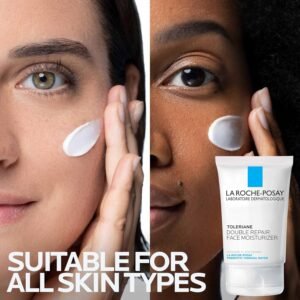
The beauty of a focused moisturizer for sensitive skin is that it works for almost everyone. Whether your skin is oily, dry, combination, or normal, a healthy barrier is the goal — and this formula is designed to deliver it without heaviness, greasiness, or irritation.
View on Amazon
your skin will thank you for the switch.
The Bottom Line
Your skin barrier is the most important thing in your skincare routine — more important than any serum, treatment, or trendy ingredient. When it’s healthy, your skin handles everything better. When it’s damaged, nothing works properly. The fastest way to repair it is with the three ingredients your barrier is actually made of: ceramides to rebuild, niacinamide to calm and stimulate, and glycerin to hydrate.
La Roche-Posay Toleriane Double Repair Face Moisturizer delivers all three in a simple, gentle, dermatologist-recommended formula that works for even the most sensitive skin. It’s not glamorous or trendy — it’s effective. And for anyone looking for a moisturizer for sensitive skin that actually repairs rather than just covers up, this is the one to try.