
There was a time when I “removed” my makeup by washing my face with a bar of soap and calling it done. I scrubbed, I rubbed, and I told myself my skin was just “naturally dull and prone to breakouts.” My skin paid for it — with redness, clogged pores, and a tired look that no product seemed to fix. The truth is that makeup removal is one of the most important steps in any skincare routine, and most people are doing it wrong. I know, because I was one of them.
Over time, I learned that the way you take makeup off matters just as much as the products you put on. Getting it right requires a little patience and the right method, but it’s genuinely simple once you understand the logic. This guide walks you through a complete makeup removal routine you can follow every single night — the right products, the right order, the mistakes that quietly wreck your skin, and the myths that keep people stuck in bad habits. By the end, you’ll be able to get your makeup off completely without damaging your face in the process.
Before we get into the steps, it helps to understand why this matters enough to deserve a whole guide. Your skin is your body’s largest organ, and it has a natural barrier that protects you from irritation, pollution, and moisture loss. When you wear makeup and sunscreen, you’re layering products designed to sit on top of that barrier and stay there.
If you don’t remove them properly — or if you remove them harshly — you end up with two problems at once: leftover residue blocking your pores, and physical damage to the barrier itself from rubbing and scrubbing. Leftover makeup traps oil, dirt, and dead skin cells in your pores, which is a fast track to blackheads and acne. Harsh rubbing, on the other hand, breaks down the barrier and leaves skin tight, red, and more sensitive. That’s why proper makeup removal isn’t just about looking clean at night — it’s about protecting the long-term health and appearance of your face.
The good news is that fixing your makeup removal routine doesn’t require expensive products or complicated tools. Almost everything you need is basic and affordable. What it does require is changing how you go about it, which is exactly what the steps below walk you through.
Step 1: Start With an Oil-Based Cleanser (or Micellar Water)

The first step of proper makeup removal is breaking down the products on your skin, especially waterproof mascara, long-wear foundation, and sunscreen. Here’s the chemistry that makes this step non-negotiable: oil and water don’t mix, and the whole point of a long-wear or waterproof product is that water can’t wash it away. That means water alone will never dissolve these formulas — your first cleanser needs to be oil-based or a strong micellar water, because oil dissolves oil.
What to use: A cleansing balm, a cleansing oil, or a micellar water formulated for all skin types. Take a small amount and massage it gently into your skin with your fingertips for about thirty seconds, paying extra attention to the eyes and lips where makeup tends to be heaviest and most stubborn. You should feel the makeup start to lift away as the oil works.
Why it matters: The oil in this first step grabs onto the makeup, sunscreen, and excess sebum on your skin and lifts them off gently, without the harsh rubbing that causes irritation. Skipping this first step forces you to scrub much harder later on, which triggers more makeup removal mistakes than anything else. It also means some makeup is likely left behind no matter how hard you wash afterward.
Step 2: Remove Eye Makeup First (With a Dedicated Remover)

Eye makeup — especially waterproof mascara, eyeliner, and glitter or heavy eyeshadow — is the most stubborn part of the whole process, and it needs its own treatment. The skin around your eyes is completely different from the rest of your face: it’s thinner, more delicate, and far more prone to showing signs of stress and aging.
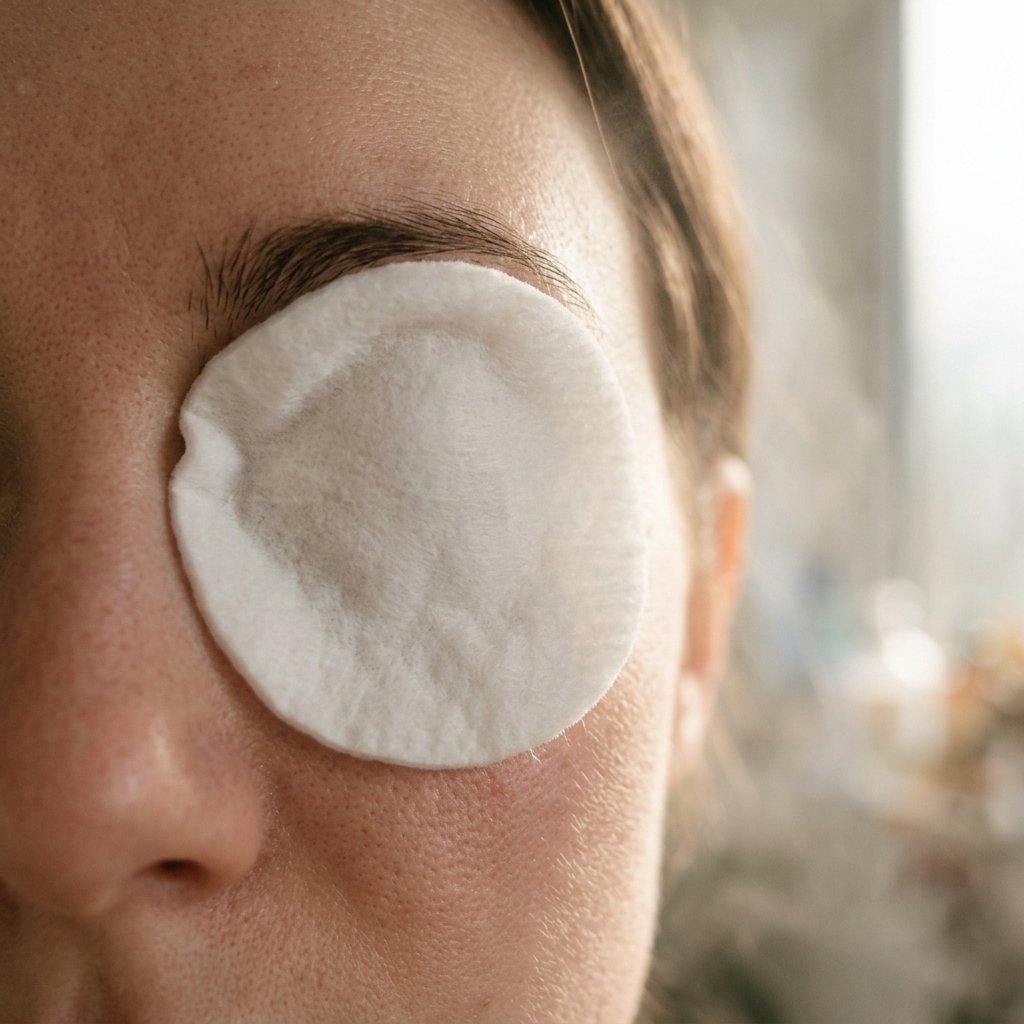
What to use: A dedicated eye makeup remover, ideally a bi-phase one that you shake before use (it has an oil layer and a water layer that combine to dissolve stubborn makeup quickly). Soak a clean cotton pad, press it gently over your closed eyelid, and hold it there for ten to fifteen seconds to let the remover dissolve the makeup. Then wipe in one soft downward motion. Do not rub, drag, or scrub.
Why it matters: Dragging and rubbing the delicate skin around your eyes is one of the fastest ways to cause fine lines, eyelash loss, and irritation. Because this skin is so thin and fragile, gentle handling is key — the American Academy of Ophthalmology has clear tips on removing eye makeup safely without irritating your eyes. A few extra seconds of patience here is a small price to pay and a core part of gentle makeup removal.
Step 3: Cleanse Your Face to Remove Anything Left Behind
Even after a thorough first cleanse, traces of makeup, oil, and everyday dirt can remain on your skin. This is where the second cleanse comes in — a gentle water-based cleanser that actually cleans your skin instead of just moving makeup around. This technique is often called “double cleansing,” and it’s the reason your routine should never stop after the first step.
What to use: A gentle foaming, gel, or cream cleanser suited to your skin type. Apply it to damp skin, massage softly in circular motions for about a minute, then rinse thoroughly with lukewarm water. If you wear a lot of makeup or a heavy sunscreen, don’t rush this step — give the cleanser a chance to work.
Why it matters: A single cleanse often isn’t enough, and leaving residue behind is one of the most common makeup removal mistakes because it traps dirt and oil in your pores, leading to breakouts and dullness over time. A second gentle cleanse fully clears your skin without any harsh scrubbing, so you end up genuinely clean rather than just surface-level clean.
Step 4: Dry Your Face by Patting — Never Rubbing

How you dry your face after cleansing matters almost as much as how you clean it. Many people finish a thorough routine and then undo all their work by rubbing their face with a rough towel. Rubbing your face creates friction that is harsh on your skin barrier and can cause unnecessary irritation, especially when your skin is damp and more vulnerable.
What to use: A clean, soft towel, a paper towel, or a dedicated soft cotton face towel. Gently pat your skin until it’s mostly dry, rather than scrubbing back and forth.
Why it matters: Your skin is noticeably more sensitive when it’s damp, and rough towel movement is one of the simplest makeup removal mistakes to make without realizing it. Patting removes just as much water as rubbing, but it’s far gentler on your barrier and helps keep your skin calm and comfortable.
Step 5: Follow Up With Moisturizer (or Your Night Routine)
Cleansing strips your skin of some of its natural oils, so the final step of makeup removal is always hydration. This is the step most people skip when they’re tired, but it’s essential to keeping your skin healthy and balanced. Without it, your skin can feel tight and dry — and in response, it will often overproduce oil to compensate, which leads to the exact shine and congestion you were trying to avoid.
What to use: A moisturizer for your skin type, applied to slightly damp skin to help lock in moisture. If you use a night serum or treatment, apply that first and let it absorb before your moisturizer.
Why it matters: Rebalancing your skin after removing everything is what prevents that tight, squeaky-clean feeling that actually signals over-cleansing. Losing this step can undo the benefits of your whole skincare routine. For a quick and convenient option when you’re pressed for time, check out our full guide to Neutrogena Micellar Makeup Remover Wipes.
The Makeup Removal Mistakes to Avoid

Beyond the steps above, these are the habits that cause the most damage and quietly become makeup removal mistakes. Read through them honestly — most people recognize at least one or two of their own behaviors here.
Sleeping in your makeup. This is the single worst thing you can do to your skin. Makeup, dirt, and oil sit in your pores all night, which leads to clogging, breakouts, and premature signs of aging. Dermatologists warn that sleeping in makeup is associated with clogged pores and a higher risk of irritation, which is why the American Academy of Dermatology strongly recommends removing it every night. If you’re truly exhausted, keep a pack of cleansing wipes by the bed as an emergency — it’s still better than going to sleep with a full face of makeup while you build the nightly habit.
Using makeup wipes as your only cleanser. Makeup wipes are incredibly convenient, but they remove surface makeup while leaving a greasy residue behind, and they usually require rubbing to work. They’re fine for emergencies or travel, but they should never be your only method of makeup removal — your skin deserves a proper cleanse.
Scrubbing too hard. Aggressive scrubbing feels thorough and satisfying, but it actually damages your skin barrier and can break the tiny capillaries near the surface of your skin. Gentle pressure and the right products do the real work here, so let the cleansers do their job instead of forcing it with friction.
Using hot water. Hot water strips your skin of its natural oils and can trigger redness and irritation. Stick to lukewarm or cool water for both rinsing your face and soaking your cotton pads.
Forgetting your neck. Foundation, sunscreen, and makeup don’t stop at your jawline, and neither should your cleansing. Carry your routine down your neck so that the skin against your chin doesn’t look like a completely different color come morning.
Myth: “You Only Need to Remove Makeup If You Wear It Daily”
Many people believe that if they only wear makeup occasionally — maybe on weekends or for special events — they can skip proper removal when they do. In reality, how often you wear makeup doesn’t change how each application is removed. The mechanics of breaking down sunscreen, long-wear foundation, and waterproof formulas are identical whether you wear them once a week or every day.
This is one of the more common makeup removal myths, and believing it leads to the exact residue and breakouts you’re trying to avoid. The makeup you wear occasionally still sits on your skin just the same way, and it still needs the full two-step removal to come off cleanly. So no matter how rarely you wear makeup, treat every single application with the same care.
Myth: “You Need Harsh Products to Get Makeup Off”
Another widespread misconception is that effective makeup removal requires strong, stripping, or heavily foaming cleansers. In truth, the opposite is closer to reality. Harsh cleansers often irritate your skin and disrupt your barrier, and they don’t actually do a better job of removing makeup — a double cleanse with gentle products removes even the most stubborn waterproof makeup without trauma.
Choosing gentle doesn’t mean choosing weak. The right cleansing balm or oil, followed by a mild water-based cleanser, will remove more makeup more comfortably than any harsh soap ever will. If your face feels tight, stingy, or “squeaky” after cleansing, that’s a sign your products are too harsh — not a sign that they’re working well.
How to Build the Habit of Nightly Makeup Removal
Knowing the steps is only half the battle — the other half is actually doing it every night, even when you’re tired. Here’s how to make makeup removal a habit that sticks, rather than a chore you keep putting off.
First, remove the barrier of effort by keeping your products accessible and visible. Place your cleanser and remover near your sink or wherever you’ll realistically use them, so you don’t have to hunt for them late at night. Second, keep a backup plan. A pack of cleansing wipes beside your bed ensures that even on your most exhausted nights, you remove your makeup instead of skipping it entirely. Third, connect the habit to something you already do — like washing your face right after brushing your teeth — so one routine triggers the other. Within a couple of weeks, nightly makeup removal will feel automatic rather than optional, and your skin will show the difference.
The Bottom Line

Removing your makeup gently is a skill, not a chore — and mastering it is one of the highest-impact habits you can adopt for clear, healthy skin. The routine is simple: start with an oil-based first cleanse, treat your eyes with a dedicated remover, follow with a gentle second cleanse, pat your face dry, and finish with moisturizer.
The most important thing is consistency. A five-minute, two-step makeup removal routine every single night will do more for your skin than any expensive cream you’re tempted to buy to fix the problems sleeping in makeup caused. Your skin replaces itself while you rest, and it can only do that job well if you clear the canvas first. Then a healthier, more comfortable face every morning becomes one of the easiest wins of your entire skincare routine.