
In this guide, we break down everything you need to know about the K18 leave-in formula — how it works, who benefits most, how to use it correctly, and what results you can honestly expect. If you have been searching for a solution after bleaching, coloring, or heavy heat styling, this article will help you decide if this treatment belongs in your routine.
Why Damaged Strands Need More Than a Conditioner
To understand the value of this product, it helps to know what happens when strands become compromised. Strands are built mostly from a protein called keratin, arranged in long chains held together by bonds. Bleaching, coloring, chemical straightening, and repeated heat styling attack those bonds, breaking the protein chains and leaving gaps inside the fiber.
A standard conditioner coats the outside of each strand with ingredients that temporarily smooth the cuticle. That is why strands can feel soft for a day after washing, then return to its rough state. Deep-conditioning masks provide the same kind of surface-level care in a heavier formula. For truly compromised tresses, however, the damage lives deeper than the surface — and that is precisely where peptide-based treatments step in.
What Is the K18 Leave-In Molecular Hair Treatment?
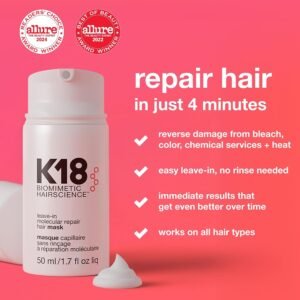
The K18 molecular repair hair mask is a concentrated leave-in treatment built around K18PEPTIDE™, a patented, biotech-developed peptide designed to work inside each strand rather than only on top of it. Unlike conventional masks, this leave-in formula is not rinsed away with water. It stays on the strands after washing, giving the peptide time to do its work.
How K18PEPTIDE™ Works
The core idea is simple but powerful. Damaged strands contain broken polypeptide chains and disulfide bonds — the structures that give each strand its strength. The patented peptide mimics the natural keratin structure and clicks into place at a molecular level, reconnecting those broken chains along both the length and width of the fiber.
Because the formula works at the innermost layer of the strand rather than only addressing the outer cuticle, it is designed to be effective on all textures, including coily and curly strands. The outcome is a stronger, more resilient fiber — not just a smoother surface.
A Leave-In Treatment, Not a Rinse-Out Mask
One of the details that surprises most people is that this is a leave-in product. You apply it to clean, towel-dried strands, let it sit for four minutes, and then style as usual — without rinsing. That small change in routine is what allows the peptide to penetrate and rebuild from within.
How to Use This Leave-In Treatment in 5 Simple Steps
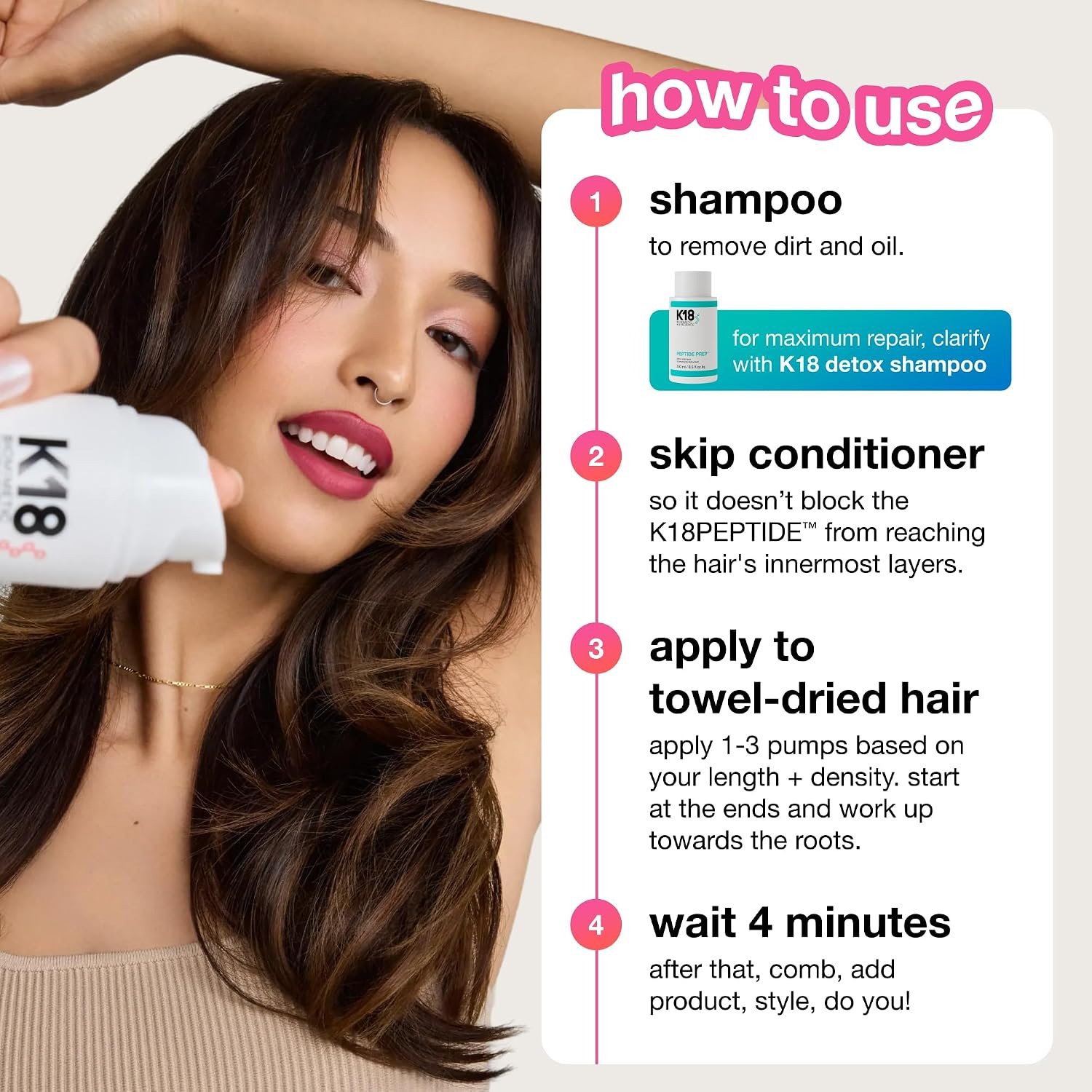
Getting the most out of this product comes down to following the routine carefully. Here is the step-by-step method recommended by the brand:
- Shampoo your locks — wash thoroughly with your regular shampoo to remove buildup and prepare the strands for treatment.
- Skip the conditioner — do not use conditioner beforehand, as surface coatings can block the peptide from reaching the fiber.
- Apply 1-3 pumps — work one to three pumps of the leave-in cream through clean, towel-dried strands, focusing on the most damaged areas.
- Let it sit for 4 minutes — leave the treatment on without rinsing so the peptide can connect with the keratin structure.
- Style as usual — after four minutes, proceed with your normal styling routine.
For best results, the brand recommends four to six consecutive washes during the initial restoration phase, then use as needed for upkeep. Most people begin noticing improved texture, manageability, and bounce after just two to three uses.
Who Should Use This Hair Treatment?
This treatment is designed for tresses that have been through a lot. The most common candidates include:
- Bleached and lightened hair — bleach is one of the most aggressive processes on keratin bonds.
- Color-treated hair — repeated coloring weakens the protein structure over time.
- Chemically processed hair — relaxers and perms alter and stress the bonds inside the strand.
- Heat-damaged hair — straighteners, curling irons, and blow dryers dehydrate and break the fibers.
- Naturally coily and curly hair — curly textures benefit from inner-layer care that does not weigh curls down.
If your strands feel straw-like, snap easily, or look dull even after conditioning, that is a strong signal that the damage is structural and a surface conditioner is no longer enough.
Key Benefits of This Leave-In Treatment
Let’s walk through what this treatment actually does for your locks and how each benefit supports healthier-looking tresses.
Real, Lasting Restoration Below the Surface
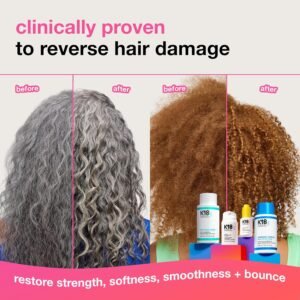
The headline benefit is restoration rather than temporary smoothing. Because the peptide reconnects broken keratin chains and disulfide bonds, the improvement is built into the fiber’s structure instead of washing away with the next shampoo. This is the difference between covering damage and addressing its cause.
Soft, Strong, and Bouncy Strands
The formula is designed to deliver softness and strength at the same time. Stronger protein bonds support the fiber’s width and length, while the cream adds manageability, detangling, and a bouncy finish that resists the weighed-down look.
Effective on All Hair Types
Because the peptide works on the innermost layer of each strand, the treatment is designed to be effective across textures — including coily and curly textures that traditional masks often struggle with. The detangling and softening benefits help curls keep their defined, springy shape.
A Convenient Four-Minute Routine
There is no need for a lengthy salon visit or a complex multi-step ritual. The entire process takes about four minutes after shampooing, and no rinsing is required. For busy people, that level of convenience matters more than they expect.
A Cruelty-Free Formula
The formula is cruelty-free, which matters to many shoppers when comparing options. Knowing the product aligns with your values makes the routine feel better from the first use.
Why Peptide Care Beats Traditional Conditioning Masks
Many consumers wonder whether a regular deep-conditioning mask could deliver the same benefits at a lower price. The honest answer lies in where the two approaches work.
A traditional conditioning mask smooths the cuticle and coats the strand, which improves the look and feel of your strands for a short period. It does little for broken internal bonds. A peptide-based treatment, by contrast, is designed to work below the surface, rebuilding the connections that control strength and elasticity.
For lightly damaged strands, a good conditioner or mask may be enough. For strands that have been through chemical services, bleach, or frequent heat, the structural care delivered by this treatment is the difference between hiding the damage and reversing it.
Common Mistakes to Avoid With This Treatment
Even a well-formulated leave-in treatment can underdeliver if it is used incorrectly. These are the most common errors people make and how to avoid them.
Using Conditioner Before Applying
Applying conditioner first coats the strands and can prevent the peptide from reaching the keratin structure. Always shampoo first and skip the conditioner during the restoration phase.
Applying Too Much Product
More product is not better. One to three pumps is the recommended range, and heavy-handed application can leave strands feeling coated rather than repaired. Start small and add more only where the damage is worst.
Rinsing the Treatment Out
This is a leave-in product. Rinsing it away removes the peptide before it can do its work. Let it sit for the full four minutes and style without washing it out.
Using It Once and Expecting a Miracle
Restoration is cumulative. One single use can improve feel, but the brand recommends four to six consecutive washes to rebuild a meaningful proportion of broken bonds. Consistency, not frequency, is what drives results.
How This Treatment Fits Into a Complete Hair Care Routine
A strong repair treatment works best when it is part of a sensible routine. Here is how to place it alongside your other products.
Use your usual shampoo as the first step. Skip conditioner before the treatment, then apply the leave-in cream and wait four minutes. On maintenance wash days, many people return to their regular conditioner and reserve the treatment for every few washes.
If you color, bleach, or heat-style regularly, you will likely need the treatment more often. If your strands are lightly damaged, a single application every few weeks may be enough to keep the fiber strong. Listen to your strands — if they start feeling brittle again, add the treatment back into the cycle.
What to Expect When You Start Using This Treatment
It is always wise to set realistic expectations with any beauty care investment. Here is what the usage journey typically looks like.
First Use
The first application usually delivers noticeable smoothness and easier detangling. Because the treatment is leave-in, strands often feel more hydrated immediately after styling.
Two to Three Uses
The brand notes that most people see meaningful results after two to three uses, when the accumulated peptide begins reconnecting a higher proportion of broken bonds. Texture improves, and the strands start feeling fuller and more resilient.
Four to Six Consecutive Washes
The recommended initial phase is four to six consecutive washes. During this period, restoration compounds across washes, which is why consistency matters more than occasional use.
Maintenance Phase
After the initial restoration phase, the treatment moves to a “use as needed” rhythm. Many people apply it every few washes to maintain strength and bounce, depending on how often they color or heat-style.
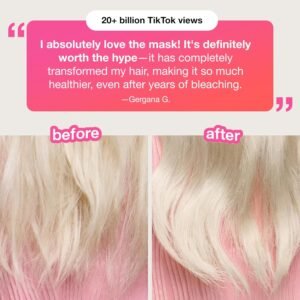
Frequently Asked Questions
Does the K18 molecular repair hair mask work on curly hair?
Yes. Because the peptide works at the innermost layer of the strand rather than coating the cuticle, the treatment is effective on all hair types, including coily and curly textures. The detangling benefits help curls maintain their springy shape without heaviness.
Can I use it on color-treated or bleached hair?
Absolutely. This treatment is specifically designed for strands that have been through bleach, color, chemical services, and heat. Rebuilding broken protein bonds helps color-treated strands look healthier and last longer between services.
How long does it take to see results?
Most people notice improved smoothness on the very first use, with more meaningful results in strength and manageability after two to three uses. For the best outcome, use the treatment for four to six consecutive washes before moving to maintenance.
Do I really need to skip the conditioner?
Yes, at least before application. Conditioners coat each strand and can block the peptide from connecting with the keratin structure. Shampoo, skip the conditioner, apply the leave-in treatment, wait four minutes, and style as usual.
Is the treatment cruelty-free?
Yes. The product is a cruelty-free formula, making it a popular choice among shoppers who prefer ethical beauty care options.
How often should I use it after the restoration phase?
After the initial four to six washes, use the treatment as needed. Many users apply it every few washes, especially if they regularly color, bleach, or heat-style their strands.
Does it replace my regular conditioner?
During the restoration phase, the treatment is used instead of conditioner after shampooing. Many users continue using their regular conditioner on maintenance wash days, reserving this product for repair intervals.
View on Amazon
Final Thoughts: A Smart Choice for Structurally Damaged Hair
The K18 leave-in molecular hair mask stands out in a crowded market because it targets the actual cause of damage rather than the symptoms. Its patented peptide works below the surface to reconnect broken keratin chains and disulfide bonds, delivering softness and strength that survive more than one wash cycle.
For anyone wrestling with bleached, colored, or heat-damaged strands, the four-minute routine is refreshingly simple, and the cruelty-free, all-textures formula makes it accessible to a wide range of routines. As with any treatment, results depend on consistent use, but for many people the transition from brittle locks to bouncy, manageable tresses is exactly the outcome they have been searching for.
If you are ready to see what deep-level peptide care can do for your tresses, the K18 molecular repair treatment is a dependable place to start your journey back to healthy-looking locks.
As an Amazon Associate, I earn from qualifying purchases. The price and availability of this product may change, so always check the current listing before ordering.